Open to new opportunities from October 2026 · CH & Remote

Peter Burgener.
I build software
that moves machines.

Software Engineer & Industrial IT Specialist with 10+ years at the intersection of code and manufacturing. Expert in C# postprocessor development, CNC kinematics and CAD/CAM automation.

10+
Years in industry
Dipl.
Techniker HF
9+
CNC controllers
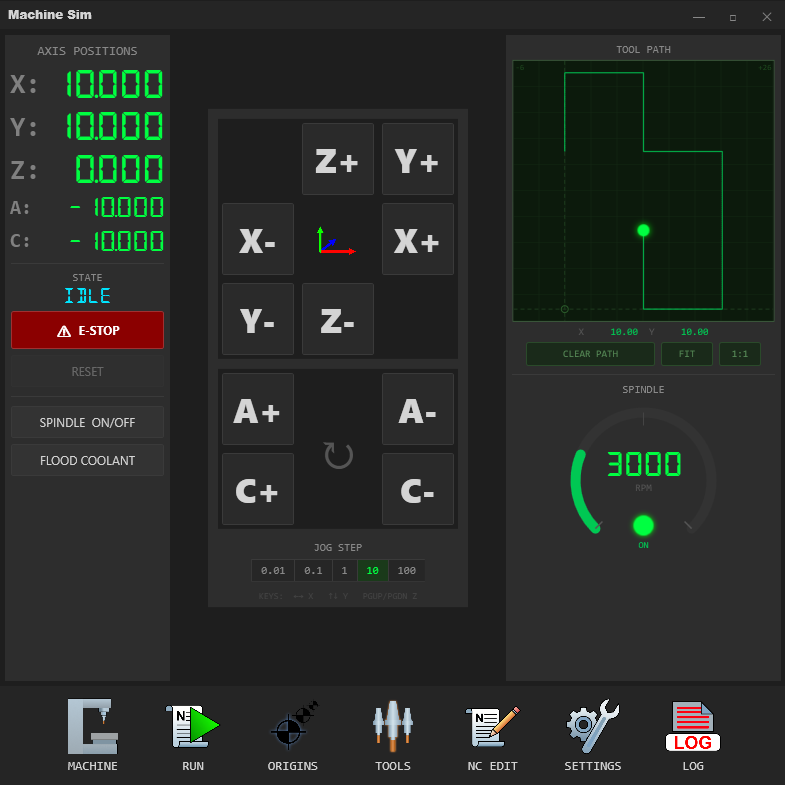
6-axis IK · live demo
move your cursor →
rocket_launch PRODUCTS & PLATFORMS

Things I build and run.

Two live products, one for photographers and one for the people who program machines. Designed, built, shipped and maintained by me, end to end.

Aperilux: Planning app for landscape and astro photographers.
iOS (Testflight) · Android (Closed beta)
iOS & Android app · current main project
wb_twilight

Aperilux

Planning app for landscape and astro photographers.

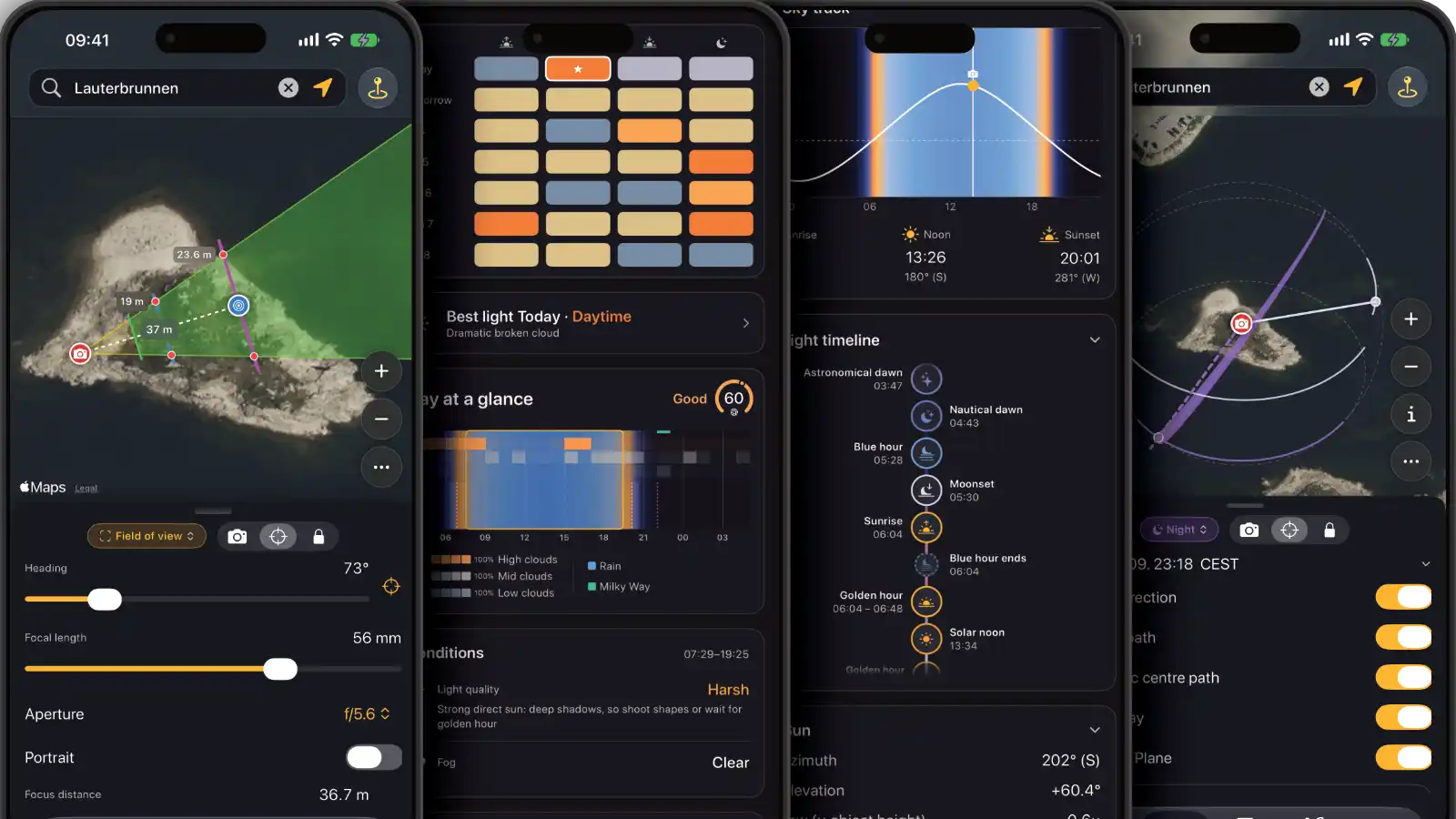
Aperilux is the app I wanted as an enthusiastic amateur photographer: it shows where the sun, the moon and the Milky Way will be for any spot on Earth at any time, on a map, a timeline and an AR view of the sky. The ideas and the needs behind it came up on my sabbatical travels. After three years of thinking, prototyping, testing and improving, there is finally an app to show. The real added value is the rating of shooting conditions based on weather data, so you know before you leave whether the planned shot is likely to work. Designed, built and shipped solo: the app, the website and everything around a store release.

  • check Conditions rating: weather data turned into a verdict on the planned shot, not just a forecast to interpret yourself.
  • check Sun, moon and Milky Way positions computed for any location and date, with the coordinate transforms that map them onto the map and the live camera.
  • check AR sky view that overlays the computed positions on what the phone sees.
  • check Full product lifecycle: concept, UX, development, App Store release, website, support.
iOSAndroidSwiftKotlinShared Core
Founder · sole developer Visit aperilux.app arrow_outward
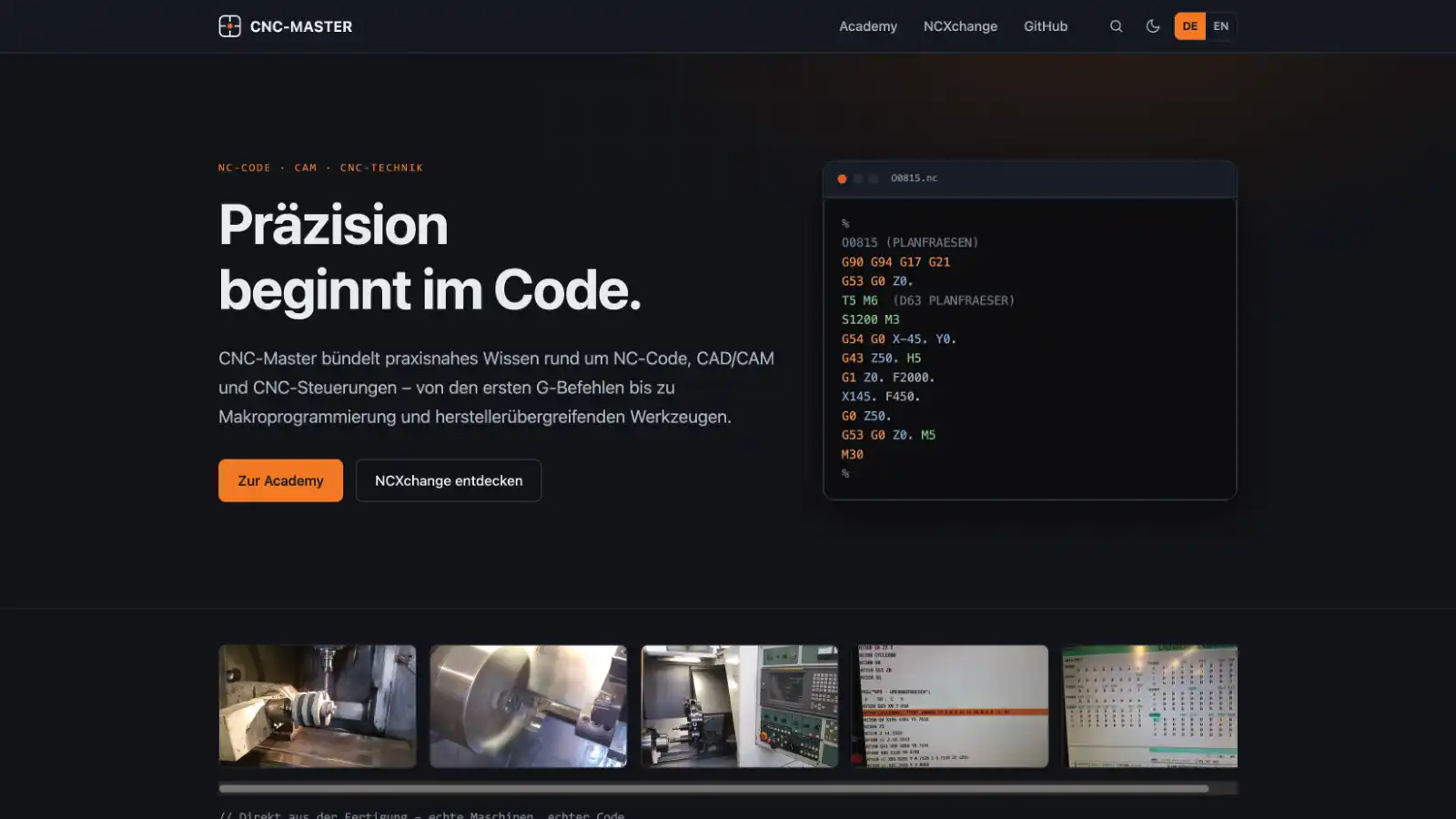
CNC-Master: Knowledge and tools for NC code and CNC technology.
Live · actively maintained
Knowledge platform & tools · DE / EN
school

CNC-Master

Knowledge and tools for NC code and CNC technology.

CNC-Master is the site I wished existed when I started programming machines: an academy covering G-code fundamentals, CAD/CAM practice and controller-specific references for Fanuc, Heidenhain, Hurco and Okuma. On top of that come NCXchange, a neutral intermediate format between controller dialects, and NCView, an open-source NC-code viewer. Bilingual, fully static, no tracking.

  • check Academy: fundamentals, CAD, CAM, advanced topics such as custom tilt cycles, and per-controller code references.
  • check NCXchange: DSL and specification for controller-independent NC code, grown out of my HF diploma thesis.
HugoSvelteTypeScriptNC codeTechnical writing
memory WHAT I DO

Skills & expertise.

A decade in two worlds: modern software engineering on one side, industrial manufacturing and CNC on the other. Most of my work sits in the gap between them.

memory

Postprocessor Development

Built 270+ of production-grade C# driven postprocessors translating CAM toolpaths into controller-specific NC code.

precision_manufacturing

CNC Kinematics

Forward and inverse kinematics, vector math and coordinate transforms for 5-axis, mill-turn and robot configurations.

hub

CAD/CAM Integration

Connected CAD, CAM, PDM and tool-management systems through custom interfaces and APIs at customer sites.

smart_toy

Robotics Simulation

Real-time forward/inverse kinematics simulation. See the live robot arm on this page for a working example.

code

Languages

Daily drivers: most of the production code I ship.

C# / .NET Primary
Python
SQL
Rust
C++
TypeScript
JavaScript
build

Tools & Platforms

Daily setup for shipping and ops.

Visual Studio
VS Code
terminal Git / GitHub
terminal MSSQL Server
Docker
Proxmox
terminal LaTeX
CNC controllers in production

Postprocessors I've shipped for

Working knowledge of dialect-specific G-code, kinematics, and machine quirks.

HeidenhainSiemensFanucHurcoPhilipsMazatrolHaasBosch RexrothSelca
route HOW I WORK

Understand first. Build in increments. Verify where it runs.

The same six steps whether the result lives on a screen or on a machine. What changes is the cost of a mistake and how short the feedback loop can be.

precision_manufacturing When the output runs on a machine marks what changes in that step.
  1. travel_explore 01

    Clear the fog of war

    On site, with the customer

    Every project starts with the same questions: what has to be achieved, what does the customer expect, what has already been tried, and is everyone actually on the same page? What was sold and what is needed are not always the same thing, so I check this before I plan anything, usually in person at the customer.

    precision_manufacturing On a machine

    Mistakes are expensive and bugs have physical consequences, so I collect as much as possible up front. Sometimes there is nothing left to collect: machines get sold on, documentation gets lost, manufacturers go out of business. Then I work from existing NC code and exchange formats and reproduce their behaviour, knowing that code alone never gives up everything the documentation would have.

  2. filter_alt 02

    Sort signal from noise

    Back at the desk

    In the office I structure what I have collected, decide what is noise and what is actually a finding, and request whatever is still missing while the conversation is fresh. Anything interesting goes into the internal knowledge base right away, not at the end of the project.

    precision_manufacturing On a machine

    This is also where the gaps become visible: what the documentation covers, what has to be reverse-engineered, and what can only be answered at the controller.

  3. map 03

    Plan in the repo

    Before the first commit

    Time estimate, project plan, customer informed. The plan itself lives as Markdown files next to the code, structured in phases and versioned in Git: diffable, longer-lived than any chat window, and still readable when someone else picks the project up.

  4. code 04

    Build in increments

    Wherever the work is

    I use the language the target expects: C# / .NET where it meets CAD/CAM, Swift for iOS, Kotlin for Android, Rust or C++ where it pays off. Ten years of C# are what make that possible. The concepts transfer, AI is a fast translator for syntax and idioms, and the design decisions stay mine. Small increments, each one verified on the real device or with the customer before the next. Documentation and knowledge base grow alongside the code, not afterwards.

    precision_manufacturing On a machine

    Depending on the project, the coding happens at the customer or on the shop floor, next to the machine the output has to run on.

  5. fact_check 05

    Verify where it runs

    On the target, preferably in person

    Software that lives on a screen gets unit tests for the logic and real usage for everything else, on the actual device and not only in the simulator.

    precision_manufacturing On a machine

    This is where step one pays off. Where documentation was missing, I finalise by elimination: change one thing, run it, observe, narrow it down, until the behaviour is understood and fixed. That works over a remote session, but I prefer to be at the machine: it is the shortest feedback loop there is, with the fewest obstacles between a change and its result.

  6. rocket_launch 06

    Ship, then keep it running

    On site · in the store · on the server

    Documentation gets finalised, then the software goes where it belongs: commissioned at the customer’s machine, published in an app store, deployed to a server. And then it gets maintained: Aperilux and cnc-master.xyz are live products, not demos.

    precision_manufacturing On a machine

    When a customer reports a problem after release, it very often means production has stopped, and the time pressure is high. I know that situation exactly, because I have been in his shoes. I can work under that pressure: no morning coffee just because it is coffee time, I stay on the problem until it is solved.

Build
Visual StudioVS CodeGit / GitHub
Run
DockerProxmoxMSSQL Server
Document
MarkdownHugoLaTeX
Assist
Claude CodeAI for research & documents
timeline EXPERIENCE

A decade on the shop floor and in the IDE.

From CNC programmer to software engineer. Every role added a layer to how I think about industrial software.

  1. Since 2023 · Switzerland · partly built on the road across Asia, Oceania & Africa

    Independent software projects & continued education

    Current
    • Aperilux, a planning app for photographers (iOS live, Android in progress): concept, development, store release, website and support, all solo.
    • cnc-master.xyz, a bilingual knowledge platform for NC code and CNC technology, home of the NCXchange format and the NCView viewer.
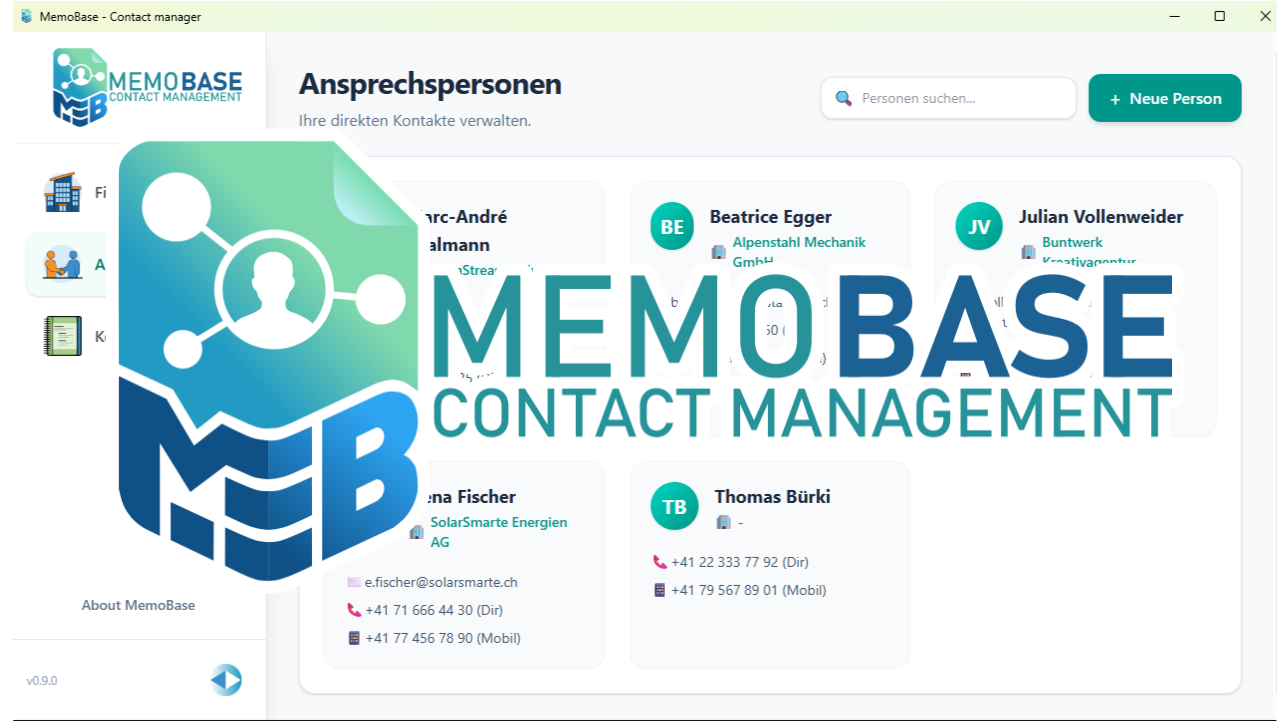
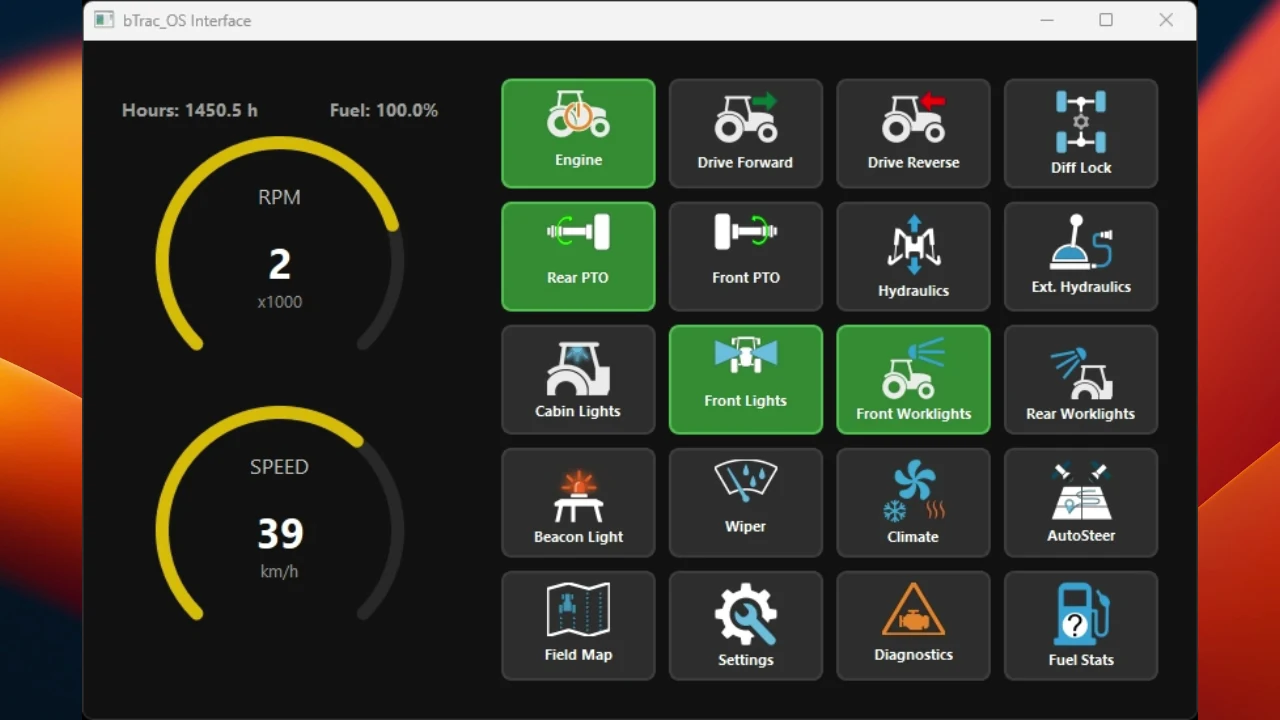
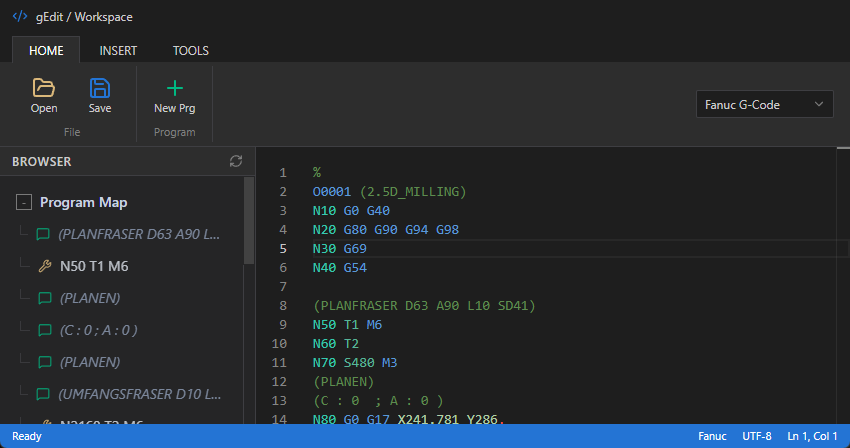
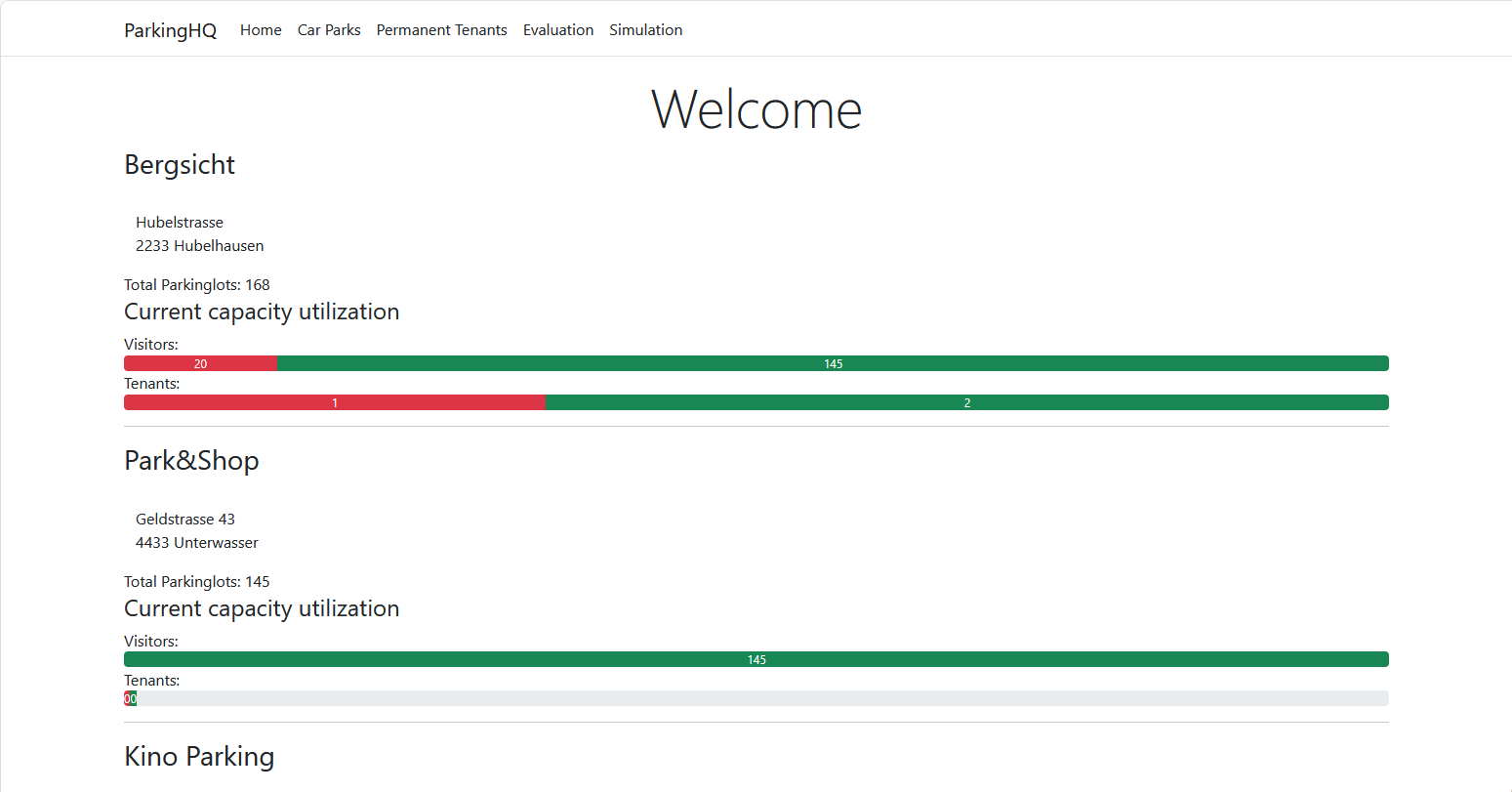
    • Open-source tooling shipped along the way: gEdit, bTrac OS, MemoBase, ParkingHQ, RoboPlayground.
    • Continuous self-study in modern .NET / C#, Rust, TypeScript / Svelte and Qt / QML.
    AperiluxCNC-MasterOpen sourceSelf-studyAI
  2. 2014–2023

    Software Engineer & CAD/CAM Consultant

    • End-to-end development of complex C# postprocessors: vector math, coordinate transforms, kinematics.
    • Solution architecture: analysed customer & machine requirements, designed tailored CAD/CAM/PDM automation.
    • System integration: deployed and tuned client-server environments at customer sites, troubleshooting distributed networks.
    • Technical lead on new CAD/CAM rollouts; built and maintained the internal knowledge base.
    C#.NETTopSolidCAD/CAMPostprocessorsCNC
  3. 2014

    CNC Programmer · CAM

    • Programmed demanding 5-axis simultaneous machining with high-end CAM (HyperMill, ProfiCAM).
    • Lean-production NC-code optimization to reduce cycle time in series manufacturing.
    5-Axis
  4. 2013–2014

    Application Developer & Scripting

    • Developed postprocessors and VBScript automation between work prep and the shop floor.
    • Built proprietary interfaces for tool management systems.
    • 2nd-level support and on-site troubleshooting at customer sites.
    VBScriptPostprocessorsIntegration
  5. 2009–2013

    CNC Programmer & Process Optimizer

    • Programmed 5-axis machining strategies in TopSolid.
    • Flexible operation across a diverse machine park.
    • Technical fault analysis on CNC controllers.
    5-AxisTurningMillingCNCCAD/CAM
school EDUCATION

Formal training & certifications.

Swiss dual-track education: apprenticeship on the shop floor, then HF-level computer science.

2019–2023

Dipl. Techniker HF Informatik, Applikationsentwicklung

TEKO Schweizerische Fachschule

Diploma thesis: Software for converting NC-code into a controller-independent format, with analysis of point distances and angular variation in 3D & 5X machining.

2011–2012

Produktionsfachmann mit eidg. Fachausweis

Swissmechanic
2004–2008

Polymechaniker EFZ

Logistikbasis der Armee (LBA)

Foundation in precision mechanics, 5-axis programming, machine tooling.

workspace_premium Certifications

8 additional credentials

  • Dipl. Techniker HF Informatik
    TEKO
    2023
  • Produktionsfachmann FA
    Swissmechanic · SBFI
    2012
  • Self-Management (Group/Team)
    SVF-ASFC
    2009
  • Wachtmeister, Swiss Air Force
    Swiss Armed Forces
    2009
  • Polymechaniker EFZ
    LBA · SBFI
    2008
  • ECDL European Computer Driving Licence
    Swiss Informatics Society
    2007
  • Autodesk Inventor 10 Foundation
    BZI Interlaken
    2007
  • ECDL CAD Certificate
    Swiss Informatics Society
    2006
Peter Burgener
Currently
Shipping Aperilux, and open for the next machine-moving problem from October 2026
person ABOUT

From shop floor to software.

My career began on the shop floor, with a Polymechaniker EFZ apprenticeship at the Swiss Army's logistics base located at the Meiringen Air Base, programming CNC lathes and mills, assembling prototypes, and working on aircraft maintenance for F5E Tiger II and F/A-18 Hornet. That foundation gave me something most software engineers don't have: a visceral understanding of what happens when code meets metal.

Over the following decade, at various employers, I moved deliberately up the stack. From CNC programmer and CAM specialist, through application development and postprocessor scripting, to nearly nine years as a Software Engineer and CAD/CAM Consultant. There I owned the full lifecycle of complex C# postprocessor development: vector mathematics, coordinate transformations, client-server deployments, and technical leadership on CAD/CAM infrastructure rollouts across Swiss manufacturing and beyond.

In 2023 I completed my Dipl. Techniker HF Informatik at TEKO, with a diploma project focused on NC-code conversion and geometric analysis for 3D and 5-axis machining. Then I set off on a deliberate sabbatical through the Middle East, South-East Asia, Oceania, and Africa. The time away from the office wasn't time away from the craft: MemoBase, bTrac OS and gEdit were built in transit, cnc-master.xyz grew out of the diploma work, and Aperilux, a planning app for photographers, is the product I'm shipping right now.

What drives me is the intersection where software correctness is non-negotiable, because someone is about to press the green button on a six-figure machine. If that's the kind of problem you're solving, let's talk.

Languages
German (native)
English (fluent)
Based in
Bernese Oberland Switzerland · UTC+1
waving_hand LET'S TALK

Looking for a software engineer
who's spent 10 years in your industry?

I'm open to permanent roles, contracting and consulting, remote or on-site in Switzerland. Industrial software, CAD/CAM, postprocessor work and machine integration are my sweet spot.